


You are here
How to Build and Maintain Healthy Bones
Updated on December 3, 2018
Conventional advice to take a thousand or more milligrams of synthetic calcium along with a few other micronutrients daily is woefully inadequate because it fails to take into account individual differences and the many facets of diet and lifestyle that affect skeletal health.
Nourishing and maintaining healthy bones best begins with the understanding that your bones are active organs that are filled with a number of different tissues, the main ones being bone tissue (hardened minerals), bone marrow, specialized tissues that line different sections of your bones (endosteum and periosteum), cartilage, blood vessels, and nerves.
Why are there so many different types of tissue in your bones? Because your bones need to carry out a number of functions, the most important ones being:
-
Production of blood cells (hematopoiesis) - The inner portion (medulla) of your long bones is where most of your blood cells are formed.
-
Maintenance of delicate acid-alkaline balance within your blood - Your bones act as storage sites for minerals, providing a buffering mechanism that allows the pH of your blood to stay within a slightly alkaline range (approximately 7.35 to 7.45).
-
Provision of structural framework and protection - Your bones serve to support your entire structure and protect your internal organs. For example, your ribcage serves to create and protect your thoracic cavity, home to your heart and lungs.
-
Transduction of sound - Small bones that exist in your inner ear region help you hear and distinguish different sounds.
Due to the number of functions that your bones carry out on a daily basis, they are constantly being remodeled according to your needs and circumstances. This remodeling process is mainly carried out by two types of cells that exist within your bones:
-
Osteoblasts - these are the cells that are responsible for new bone production.
-
Osteoclasts - these are specialized cells that remove damaged or unneeded cells.
Together, osteoblasts and osteoclasts continuously remodel your bones with three primary goals in mind:
-
Repair areas that are damaged from stress associated with your activities of daily living - most of this damage is microscopic.
-
Regulate calcium levels in your blood.
-
Optimally shape your bones while you are growing.
If you are not yet impressed by the amount of activity that goes on within your bones on a second-to-second basis, consider that virtually all of the hormones that your body produces have some effect on your bones. Here is a list of some of hormones that you produce on a daily basis that affect the activities and health of your bones:
-
Growth hormone
-
Testosterone
-
Estrogen
-
Progesterone
-
Thyroid hormones (T4, T3 and their derivatives)
-
Cortisol
-
Erythropoietin
So primarily focusing on how much calcium you need to take each day is not likely to ensure that you build and maintain healthy bones. As dynamically alive as your bones are, I hope it's clear that you can do so much more than take the right daily dose of alendronic acid (fosamax) or any other osteoporosis-related drug to keep your bones healthy as you age.
So what can you be doing to keep your bones strong and flexible?
How to Build and Maintain Healthy Bones
1. Be physically active.
No other facet of your life has greater impact on the health of your bones.
Your body is designed to adapt all of your organs - your bones included - to your specific needs. If you are physically active, your body will work to make your bones as strong and flexible as possible with its resources. If you lead a relatively sedentary lifestyle, your body will not work to create and maintain strong and flexible bones since your lifestyle is not signaling a need for this.
Regular work with mobility exercises to keep your joints functioning optimally is invaluable to preventing osteoporosis, as such work signals a need for your body to continue to remodel and maintain healthy bone structure. If you're not familiar with mobility exercises, please feel free to visit our YouTube video library:
A good place to start would be the first few progressive exercises for spinal mobility shown here:
Spinal Mobility Exercise Progressions
2. Foam roll your largest muscle groups daily.
Regular stretching and mobility work encourages your muscles, tendons, and ligaments to stay at healthy lengths.
A sedentary lifestyle can cause gradual shortening of muscles, tendons, and ligaments, and since these tissues insert into your bones, when they shorten, they can actually put significant stress on their insertion points. This is a primary mechanism of bone spur (osteophyte) development.
Foam rolling your biggest muscle groups is an excellent adjunct to stretching and mobility work, and can almost certainly help keep your bones and soft tissues healthy. For more information on foam rolling, view:
Foam Rolling and Stretching Archive
3. Eat mineral-rich foods.
Your body needs more than calcium supplements to build and maintain healthy bones. When you consider that your bones are comprised of calcium, phosphorus, magnesium, potassium, manganese, zinc, iron, silica, and other trace minerals, it should be clear that eating mineral-rich foods is far superior to taking calcium-based supplements.
Generally speaking, green vegetables and herbs are the healthiest, mineral-rich foods that you can eat. If you want to ensure that you are actually getting the minerals in green vegetables and herbs into your bloodstream to be available to your bones and other organs, you must be mindful of chewing these plants thoroughly. Thorough chewing helps ensure that the protective cell walls that surround all plant cells are sufficiently broken down to allow your bones and other tissues to have access to the many minerals contained within those cells.
Drinking freshly pressed vegetable juices and well blended green smoothies are additional ways of ensuring optimal exposure to minerals that support skeletal health.
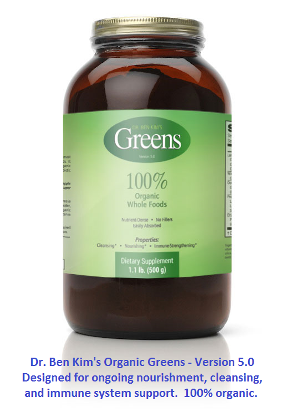
Use of high quality green food powders can also help provide your bloodstream and bones with a rich supply of minerals and other micronutrients.
4. Consider drinking mineral-rich broths.
Broths that are made by simmering bones and a variety of vegetables for an hour or longer are a fantastic source of calcium and other minerals that can be used to keep your bones strong and flexible.
Mineral-rich broths are a chief source of dietary calcium in east Asian countries like China and Korea, where many people are unable to fully digest dairy products. These broths take significant time and effort to make on a regular basis, but they are incredibly effective in nourishing your bones and other tissues.
To make mineral-rich broth, combine a generous handful of chicken bones (preferably from a free-range bird) with onions, carrots, celery, and any other vegetables that you have on hand in a large pot, fill with cold water until bones and vegetables are fully covered, bring to a boil, lower heat and cover while left to simmer for one hour. Strain well, season with sea salt, and voila, you have a pot of gold to nourish your bones with. For more detailed guidance including photos, please feel free to view:
5. Ensure adequate vitamin D status.
Adequate amounts of vitamin D must be present in your body for calcium in your foods to be optimally absorbed and used.
When the weather is warm and sunlight is readily present, the best way to ensure adequate vitamin D status is to expose your skin to sunlight on a regular basis without getting burned. Sunlight acts on cholesterol found in your skin to produce vitamin D. Your body destroys any excess vitamin D that is made in this fashion after it has made enough for your needs. Please keep in mind that use of a sunscreen with an SPF of 8 or higher can prevent sunlight from acting on cholesterol in your skin to produce vitamin D.
When the weather is cool and sunlight is not readily available, the best way to ensure adequate vitamin D status is to regularly eat foods that are naturally rich in vitamin D. Different varieties of fish like wild salmon and sardines are good food sources of natural vitamin D. High quality cod liver oil is another good food source of natural vitamin D.
For comprehensive guidance on how to ensure that you are supplying your body with enough vitamin D to keep your bones and other organs healthy, view:
How to Make Sure that You Are Getting Enough Vitamin D for Your Best Health
6. Eat high quality fats and cholesterol.
Consumption of high quality fats optimizes the absorption of vitamins A and D into your bloodstream. Vitamin A is needed to keep your intestinal lining healthy and readily able to absorb minerals from the foods that you ingest. For these reasons, it's virtually impossible to have optimally healthy bones and teeth without including healthy fats in your diet.
Some foods that are rich in healthy fats:
-
Extra virgin olive oil
-
Avocados
-
Organic eggs from cage-free birds
-
Soaked nuts and seeds (about a handful per day at most)
-
Cold-water fish and high quality fish oils
-
Coconuts and coconut oil
-
Bone broth
-
Red and white meats from healthfully raised or wild animals
Healthy cholesterol is also needed for a healthy intestinal lining that is able to optimally absorb minerals into your bloodstream. Healthy dietary cholesterol can help ensure adequate cholesterol status in your system so that sunlight has enough cholesterol to act on to produce vitamin D. While your body is capable of producing some cholesterol from other nutrients, I believe it is ideal to ensure optimal cholesterol levels via intake of foods that contain some healthy cholesterol.
For more information on healthy fats and cholesterol, view:
Healthy vs. Unhealthy Fats and Oils
7. Learn how to effectively manage emotional stress.
Chronic emotional stress can elevate the level of cortisol in your blood. Cortisol is useful for combating stress, but if it remains elevated in your system over the long term, it can cause the matrix of your bones to weaken. Corticosteroid drugs can also weaken your bones and cause osteoporosis if used in large quantities over the long term.
For more thoughts on stress and how it affects your health, visit:
How Chronic Emotional Stress Can Hurt Your Health
8. Avoid regular consumption of foods that may cause your bones to lose calcium.
Acid-forming foods are foods that bring the pH of your blood down. Because you cannot survive if the pH of your blood moves outside a very narrow range (7.35 to 7.45), your body must buffer the effects of acid-forming foods to maintain a healthy blood pH level. One of the main ways in which your body buffers acid-forming foods is to take calcium from your bones and use it to neutralize the remnants of acid-forming foods. If your body is repeatedly forced to do this, your bones may be weakened.
Foods that are strongly acid-forming in your blood and should not be staples in your diet include:
-
Artificial sweeteners
-
Soft drinks (pop)
-
Sugar
-
Foods made with highly processed and preservative-laden flour
-
Alcohol
9. Eat foods that are rich in vitamin C.
Collagen is a long and fibrous protein that is critical to providing your bones with tensile strength. In short, the more quality collagen you have in your bones, the more physical stress your bones can tolerate before breaking.
Your body needs vitamin C to synthesize collagen. Please note that there is a significant difference between the full vitamin C complex found in real foods and synthetic forms of vitamin C found in many nutritional supplements. Some excellent food sources of real vitamin C include:
-
Bell peppers
-
Citrus fruits
-
Broccoli
-
Brussels sprouts
I hope that this post makes it clear that your bones are active organs that are slowly supported or eroded by diet and lifestyle. Addressing osteoporosis with a calcium supplement or drug without regard for your overall health will not allow you to build and maintain the healthiest bones that your genetics and upbringing will allow. If you have been diagnosed with osteoporosis, you should know that in early stages, weakened bones can become fully healthy again if you consistently make healthy choices in the days ahead.
Join more than 80,000 readers worldwide who receive Dr. Ben Kim's free newsletter
Receive simple suggestions to measurably improve your health and mobility, plus alerts on specials and giveaways at our catalogue


Please Rate This
Related Posts | |||

Comments
Thank you and bless you
It is such a pleasure receiving your news letters. Just finished reading on Bones health- excelent! For me was like taking a semester in unversity, it is so loaded with vital information, I will forward it to all my contacts. Bone broth in the pot tomorow.
Recipe for bone broth
Just read your article on bone health - thanks for taking the time to share that information. I was wondering if you have a recipe for the bone broth that you mentioned in the article. What type of bones are best to use? What vegetables are best? Other ingredients for a healthy bone broth? I am 47 years old and already have osteoporosis, so I would like to put into practice immediately your suggestions. Thanks so much!
Bone broth recipe
Place a whole chicken or two chicken thighs with bones in a big pot of cold water, add a variety of vegetables like onions, carrots, celery, and various leafy greens, bring to a boil, then simmer with the lid on for at least one hour, 2-3 hours is better.
Strain everything out so that you are left with a mineral-rich broth. Season with sea salt and pepper. Use this is a base for all of your soups, or drink it as is.
Enjoy!
Ben Kim
Bone Broth
Wonderful article, and let's hear it for broths!
A spoonful of vinegar helps to leach out more minerals. There is no vinegar taste at all.
This broth recipe originated with Adelle Davis.
It is free of additives, loaded with nutrients and tastes delicious.
Keep a container in the freezer compartment
of your fridge. Into it chuck all your vegetable peelings, assuming you have washed them first.
Onion skins are a rich source of Quercetin, another anti-oxidant. They also give a rich golden colour. Also the ends of celery, the seed casing of bell peppers, you get the idea. Add bones if you are a meat eater, but do keep fish bones separate. When the pail is full cover the works with water, add a bit of good whole salt and simmer.
Health doesn't get any cheaper!
bone broth recipe
Thanks for this! My brother who is suffering from GERD will surely benefit from this recipe.
Fabulous Site
I appreciate your site and articles and other creative healthy topics you bring to your site that I wouldn't think of, such as listening to the Portuguese Love Song to help relax. Thank you for the caring you present to us. I haven't looked at everything you have here yet, but I have already copied and shared articles with family and friends. FYI I came upon your site because I had bought some fresh sesame leaves and looked online for a recipe. Thank you for that recipe also.
bone broth recipe
Much of what I've read (and do myself) also talks about letting the bones sit for an hour in the filtered water with vinegar added to draw out the nutrients of the bones before simmering. Also, it is important that the bones be brought to a boil and the scum skimmed off before allowing the broth to simmer. This removes impurities. Simmering for at least 12 hours is recommended.
Thank you for all of your wonderful information Dr. Kim!!!
Why strain everything out?
Why strain everything out? Why not just eat it all as soup (well, except the bones of course). This is how I nearly always make soup. Chicken bones make the nicest soup I think, but sheep and beef bones are good too (they're all grass fed here). A little bit of buckwheat in a soup is nice too. Makes a lovely meal in winter.
great article
This is an excellent easy to understand article on ways of having stron bones. I would also add the importance of vitamin K, specifically K1 and K2. This vitamin rarely gets mentioned for its importance on bone health, specifically with the production of osteocalcin that helps attract calcium to the bone and to keep it there. Get those leafy greens and maybe a little liver from a healthy pature fed animal.
Thanks a million Dr. Kim for your fantastic articles.
Randy
bone health
That was the best article i've read regarding bone health. I've refused to take any of the drugs my Dr. suggested and i've been reading and searching for information as an alternative way to treat my osteopiena. I just received your greens, cod liver oil and vitamin C, how timely. I start today and will add all the other suggestions you've made in this article. I feel there is hope beyond the usual drugs. I always enjoy reading your newsletters, but this one really hit the spot. Thanks,
osteoporosis
thank you so much for this wonderful article. i have been told by my dr to take extra calcuim for some time now but i had a feeling there was a more natural way to deal w/ this. i like having health be more abt the food you eat rather than the pills you take.
i am so grateful for you and your site and share it w/ all my friends.
thank you,
linda
Calcium
It's important to realize that calcium citrate absorbs easier into the body than carbonate, that calcium should not be taken at the same time as drinking caffeine, and proton pump inhibitors should be taken at alternate times from calcium for maximum effectiveness
Osteoporosis preventatives
I would also add a weighted vest to your list of preventative measures. For women, see weightvest4osteoporosis.com Other cheaper versions are available as well.
Another measure is to jump up about 4 inches 50 times at least three times a week, coming down on the whole foot. (Study by OSU in Oregon). For those unable to jump up, bouncing on the heels for 2-5 minutes may provide the same benefits. Also can perhaps use a mini-trampoline (rebounder). (These two benefits don't have the scientific backing yet, but I'll bet they are effective!)
Dawn
Thank you for sharing this
Thank you for sharing this
Grass Fed Meat and Poultry
Bone broth is a great idea but where do I get "clean" meat and poultry, i.e., grass-fed. Live in Brampton, Ontario. Anyone know?
Dr. Ben Kim...this has been
Dr. Ben Kim...this has been very helpful. I have a bone density in my spine of -3.5 and have been concerned how I am going to improve things. The doctors say there is no way of reversing this but stopping it from getting worse. I am beginning to believe that all the stress of working in a kitchen as a cook for so many years has played havoc on my bones. I was also in a very bad car accident when I was in grade 7, thrown from the car with major stitches to my head. I am 46. So you sharing this very helpful info gives me hope about putting to practice these things for results and I just wanted to thank you. I hope that with changes to my eating and adapting a regular exercise routine I can improve my Bones.
Bone density?
Tracy,
I know this is an older thread, but I'm wondering if you were ever able to improve your T score without meds?? I'm at that point...